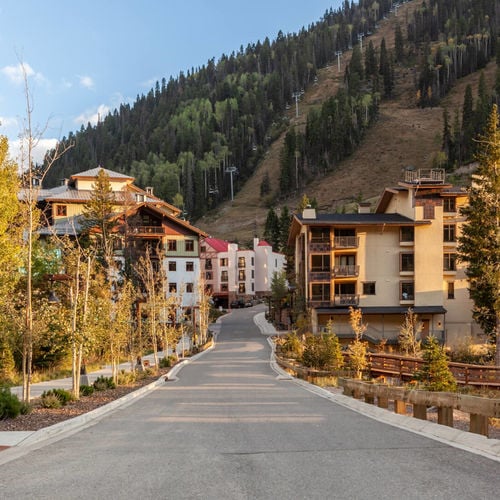



Taos is a lifestyle. World-class skiing, incredible outdoor recreation, a genuine arts scene, stunning landscape, and weather that most people don't expect. And like most great lifestyles, it comes with a cost.
The honest picture is more nuanced than most buyers expect. Some things in Taos cost less than you'd think. Some cost more. And a few things have changed in the last couple of years in ways that deserve a straight conversation before you buy.
Why Do Taos Home Prices Seem High for a Small Town?
Honestly, I'd push back on the premise a little. Compared to similar mountain towns in Colorado, Taos is actually a relative bargain. Places like Salida or Pagosa Springs, which attract a similar buyer, run significantly higher. When you stack Taos prices against comparable lifestyle markets, they start to look pretty reasonable.
What's driving prices here is simple: demand is consistently strong, and supply is genuinely tight. New construction is limited, partly because building costs are higher here than in more developed markets. Taos is a rural town in a rural state. Fewer builders, a smaller workforce, and materials that travel further to get here. That all adds up.
The resale market is where the value lives, especially if you know where to look. I also have access to properties within our brokerage before they hit the public MLS, so if you know roughly what you're after, reach out before you start scrolling Zillow.
For current pricing by area and price range, my market reports have the most current data.
Property Taxes — One of Taos's Best-Kept Ownership Secrets
New Mexico has some of the lowest property taxes in the country. The state's effective property tax rate sits around 0.61%, well below the national average of approximately 1.0%. On a $600,000 home, that difference adds up to real money every year compared to what you'd pay in most other states. For second home buyers especially, it's a meaningful part of the ownership equation that doesn't get talked about enough.
Utilities — Lower Than You'd Expect
Electric bills in Taos tend to run below the national average, and it comes down to the climate. You're at 7,000 feet, humidity is low, and nights cool off reliably. Most homes don't need much cooling at all. When they do, a swamp cooler handles it cheaply and efficiently. Heat pumps work well here too since they run most efficiently in moderate temperatures, and Taos fits that description well.
Heating costs are similarly manageable. The abundant sunshine, mild daytime temperatures, and low humidity mean your heating system isn't working as hard as you might expect for a mountain climate. Costs vary depending on the home's efficiency, your system and fuel source, so always request the utility history from the seller before making an offer. It's the most honest window into what you'll actually spend.
For more on what daily life costs look like day to day, check out the Daily Life & Convenience section of this guide.
The Cost of Living Picture Overall
Taos sits modestly above the national cost of living average, driven primarily by housing. Day-to-day costs like groceries and utilities are roughly in line with or slightly below national averages. Services, contractors, and anything requiring skilled local labor tend to run higher. Rural town, rural state, smaller workforce pool.
For buyers coming from major metros, Taos often feels more affordable than expected on the day-to-day side. The housing costs are where it gets real, especially for anything well-located or move-in ready.
Wildfire Insurance — Worth Understanding Before You Buy
Wildfire risk is real in northern New Mexico, and it's worth understanding before you buy, particularly for wooded or canyon properties.
The general rule is straightforward. The closer a property is to forested or heavily wooded areas, the higher the risk profile. Topography matters too. Properties in canyons or on slopes with limited road access can be more challenging to insure. The home's defensible space, the cleared zone around the structure, is increasingly central to how insurers evaluate properties and set premiums.
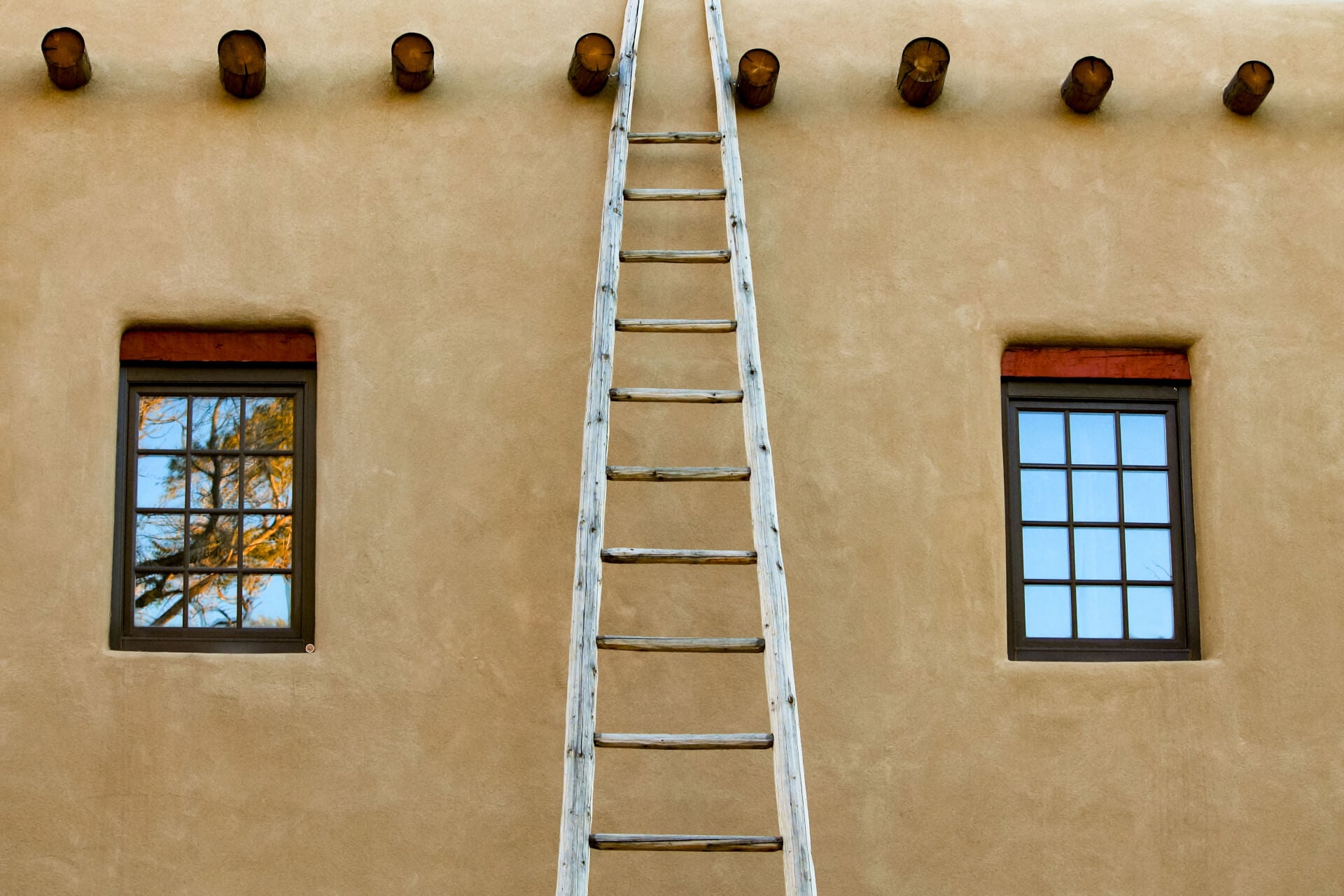
For most in-town and open mesa properties, insurance is straightforward. For wooded, canyon, or higher-elevation properties, it's worth getting quotes early in your due diligence rather than waiting until after you're under contract. Properties over $1M and log homes tend to face more scrutiny. Adobe construction generally fares better.
The Taos Soil & Water Conservation District runs a Forest Health Program that provides technical and financial assistance to local landowners for defensible space development and forest health work. If you're buying a wooded property, it's a resource worth knowing about. Contact them directly for current program details and eligibility.
New Mexico also maintains a FAIR Plan as an insurer of last resort for qualifying properties that can't secure private coverage, with current limits up to $750,000.
I can help flag properties where the insurance conversation is most important, and I always recommend getting quotes before you get too deep into the process on anything in a higher-risk setting.
The Tradeoff Conversation
Taos costs what it costs because it offers what it offers. The property taxes are genuinely favorable. The utilities are manageable. The construction costs and insurance picture require some planning, especially for wooded or higher-end properties.
What I tell buyers is this: understand the full cost of ownership before you fall in love with something specific. The purchase price is one number. The carrying costs are another. I can help you understand both for any property you're seriously considering.
Call or text anytime at 575-587-3147
Check out this article next